
National Preparedness Month: How to Keep Your Home Powered When the Grid Goes Down


What happens in your home when the grid goes down for three days?
Can your refrigerator and freezer keep running? Will you have water if your home depends on a well pump? How will you charge phones, power medical equipment, stay connected, keep your home secure, or maintain a safe temperature?
Most families do not think through those questions until the lights are already out. By then, stores may be crowded, generators may be sold out, fuel may be difficult to find, and every hour without power becomes more stressful.
This is National Preparedness Month, and this year’s FEMA theme is “Americans Stand Ready.” The message is simple: preparedness begins before the disruption, not during it. If your household is not prepared for a multi-day outage, now is the time to make a plan.
Why Power Outage Preparedness Matters
The American electric grid is touch, but your home still needs a plan for the moments when utility power is temporarily unavailable. Storms, equipment failures, winter weather, and periods of heavy demand can all interrupt service when you least expect it.
A long outage affects more than your lights. It can disrupt food storage, water, communications, comfort, security, work, and health. Energy independence starts with knowing what your home truly needs.
Step One: Inventory Your Critical Electrical Loads
Before you think about backup power, think about what must stay on.
FEMA and the American Red Cross both encourage households to identify essential needs first. Start with the loads that matter most: refrigerator and freezer, well pump or water equipment, heating or cooling essentials, phones and internet, lighting, security devices, and any medical equipment.
This step matters because many homeowners choose backup systems based on square footage instead of real electrical demand. That is like packing for a trip by guessing instead of checking the weather.
Step Two: Build Your Outage Plan Around Those Loads
Once you have your list, sort everything into three simple groups:
Must run
Should run when possible
Can wait
That one exercise can make every later decision easier. You will understand whether you need enough power for refrigeration and communications, or whether your plan also needs to support water systems, heating equipment, or other larger loads.
The goal is not to make life feel perfectly normal during an outage. The goal is to keep your household safe, connected, and functional.
Step Three: Layer Supplies, Generation, and Storage
Backup power works best as part of a layered preparedness plan.
Keep essential supplies on hand for at least three days, including water, nonperishable food, medications, flashlights, batteries, phone chargers, and pet supplies. Ready.gov offers a useful emergency kit checklist and National Preparedness Month guidance if you want a reliable place to start.
Then think in layers:
Supplies: water, food, medicine, lights, and communication tools
Generation: a source of electricity such as solar fencing, rooftop solar, or a generator
Storage: batteries that hold power for nighttime or outage use
Load management: a plan for what gets powered first
That layered approach is practical because no single tool solves every problem. Supplies help immediately. Generation creates power. Storage saves it. Load management makes it last.
Step Four: Understand Your Backup Power Options
Homeowners have several ways to prepare, and each option plays a different role.
Portable Generators
Portable generators can be useful, but they require fuel and safe operation. FEMA’s power outage guidance says generators must be used outdoors and at least 20 feet away from buildings, with exhaust directed away from doors, windows, and vents.
Battery Storage
Battery systems store electricity for use when the grid is down. They are quiet, clean to operate, and well suited for selected critical loads, but capacity and inverter size determine what they can actually support.
Solar Power
Solar can help replenish battery storage and reduce reliance on the grid, but not every solar setup provides backup by default. A standard grid-tied system typically shuts down during an outage unless it is designed with the right battery, inverter, and transfer equipment.
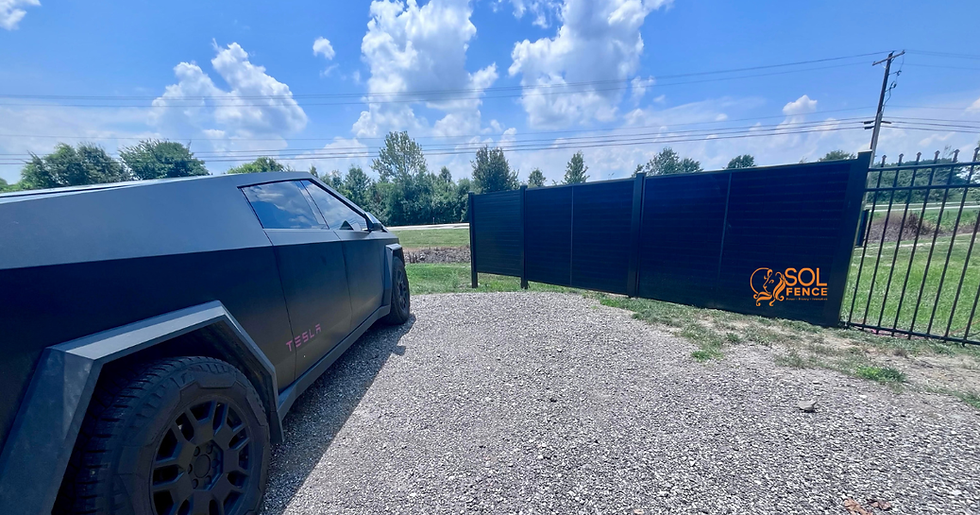
That is where a solar fence, solar fencing system, or solar panel privacy fence can become part of a smarter property plan. Instead of asking your roof to do everything, a photovoltaic fence adds another place to generate electricity while also creating privacy and perimeter definition.
SOL Fence uses vertical bifacial solar panels, which collect light from both sides. Think of it as a two-way conversation with sunlight instead of a one-way conversation. One side captures direct sun, while the other can benefit from reflected and diffuse light from surfaces such as grass, gravel, pavement, or snow.
That vertical design can also create a different production profile than rooftop solar alone. A solar fence may pick up lower-angle morning and afternoon light while turning a property line into an energy-producing asset.
A Simple Three-Day Preparedness Checklist
Before the next outage, ask yourself:
Do I know my critical loads?
Do I have a written outage plan around them?
Do I have at least three days of essentials?
Can I keep phones charged and receive alerts?
Do I know how my backup power system is supposed to work?
Have I tested my equipment recently?
Preparedness does not have to be complicated. Start with your critical loads, build your plan around them, and add layers over time.
SOL Fence can be your backup when it is designed as part of a whole-home solar-and-battery strategy. It produces power every day, can help charge battery storage, and adds a dual-purpose layer to your property with a modern privacy barrier built from high-impact tempered glass and vertical bifacial solar panels capable of producing up to 450 watts per panel. Whole-home backup capability depends on the total solar-array size, battery capacity, inverter output, household demand, weather, and the final system design. If you want to explore whether a solar fence or solar panel privacy fence fits your preparedness plan, you can check availability for an installer in your area. There are many reasons to keep the lights on, but when you are without power is not the time to start preparing. The time is now.


Comments